
Garage Trouble Spots Home Inspectors See Every Week (and What They Mean for Homeowners)
The garage is one of the most used—and most overlooked—areas of a home. It serves as a parking space, storage area, mechanical hub, and often the primary entry into the house. Because of that, small garage issues can quietly turn into safety hazards or costly repairs if they’re missed.
Here are the most common garage problems uncovered during professional home inspections and what homeowners should understand about each one.
Garage Doors: Convenience vs. Safety
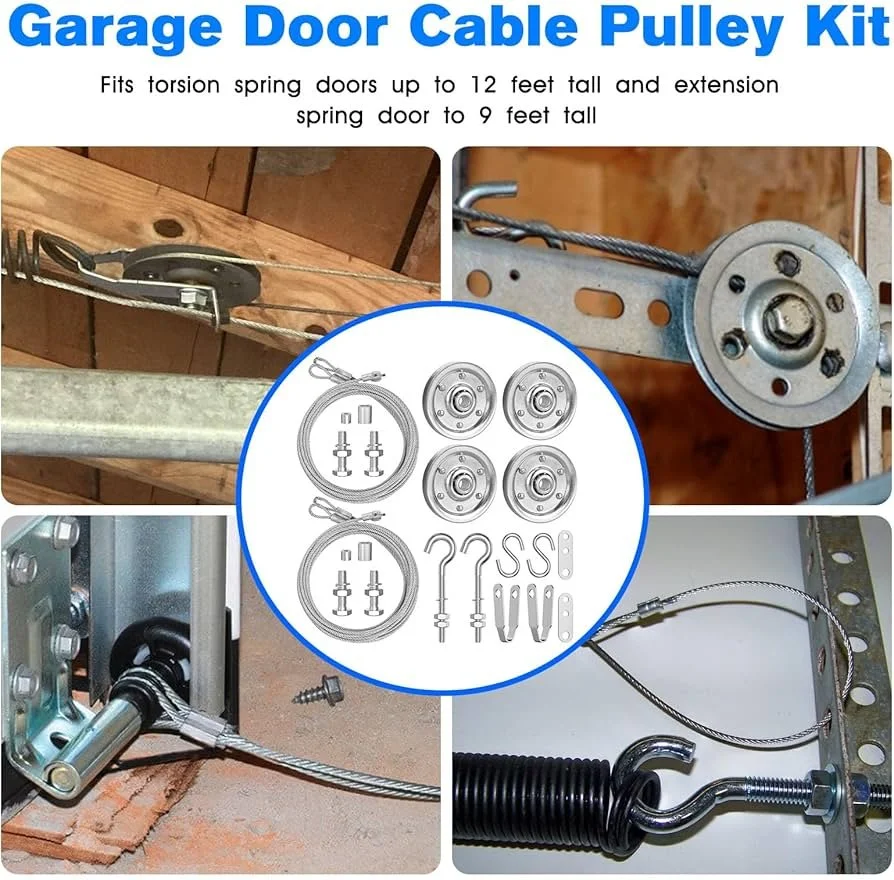
Garage doors are the largest moving component of a home—and one of the most dangerous when something goes wrong.
Common inspection findings include:
Door reversing unexpectedly or not responding to controls
Worn rollers, loose hardware, or bent tracks
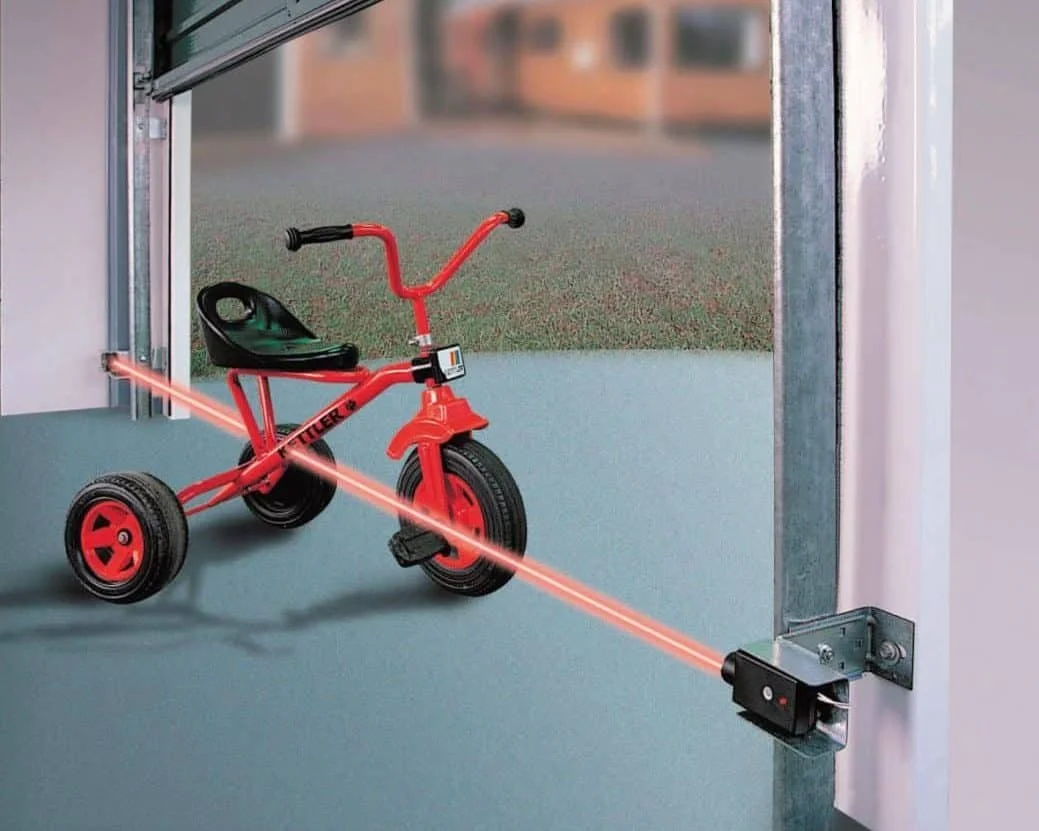
Missing or damaged photo-eye safety sensors
Auto-reverse feature not functioning properly
Why it matters:
A malfunctioning garage door can cause injury, property damage, or allow unwanted access. Springs and cables are under extreme tension and should never be adjusted by homeowners.
Inspector recommendation:
Test safety features regularly and have any mechanical issues evaluated by a qualified garage door professional.
Garage Door Openers: Small Failures, Big Inconvenience
Garage door openers often fail gradually, not all at once.
Common issues found during inspections:
Delayed or inconsistent response
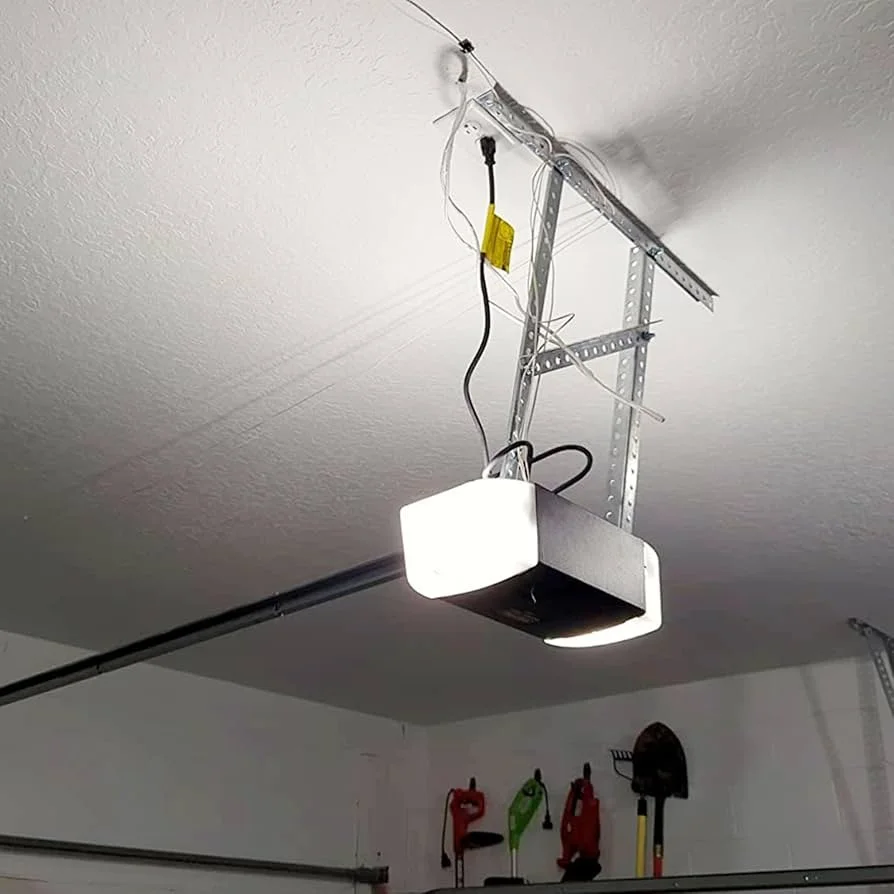
Loose mounting brackets
Exposed or damaged wiring
Outdated openers lacking modern safety features
Why it matters:
An improperly secured opener can strain the door system, shorten its lifespan, or create electrical hazards.
Inspector recommendation:
Ensure the opener is securely mounted, wiring is protected, and safety features meet current standards.
Electrical Issues in the Garage
Garages frequently house electrical components but are rarely updated as living spaces evolve.
Typical findings include:
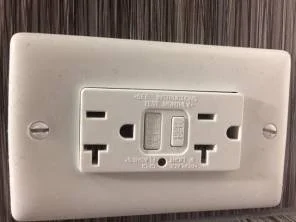
Non-GFCI outlets where protection is required
Inoperative or poorly placed lighting
Extension cords used as permanent wiring
Exposed junction boxes or missing covers
Why it matters:
Garages are considered higher-risk environments due to moisture, temperature swings, and stored materials. Electrical defects increase shock and fire risk.
Inspector recommendation:
Have a licensed electrician correct unsafe wiring and confirm required GFCI protection is installed.
Noise, Wear, and Deferred Maintenance
Grinding, squeaking, or rattling noises are often early warning signs.
What inspectors often see:
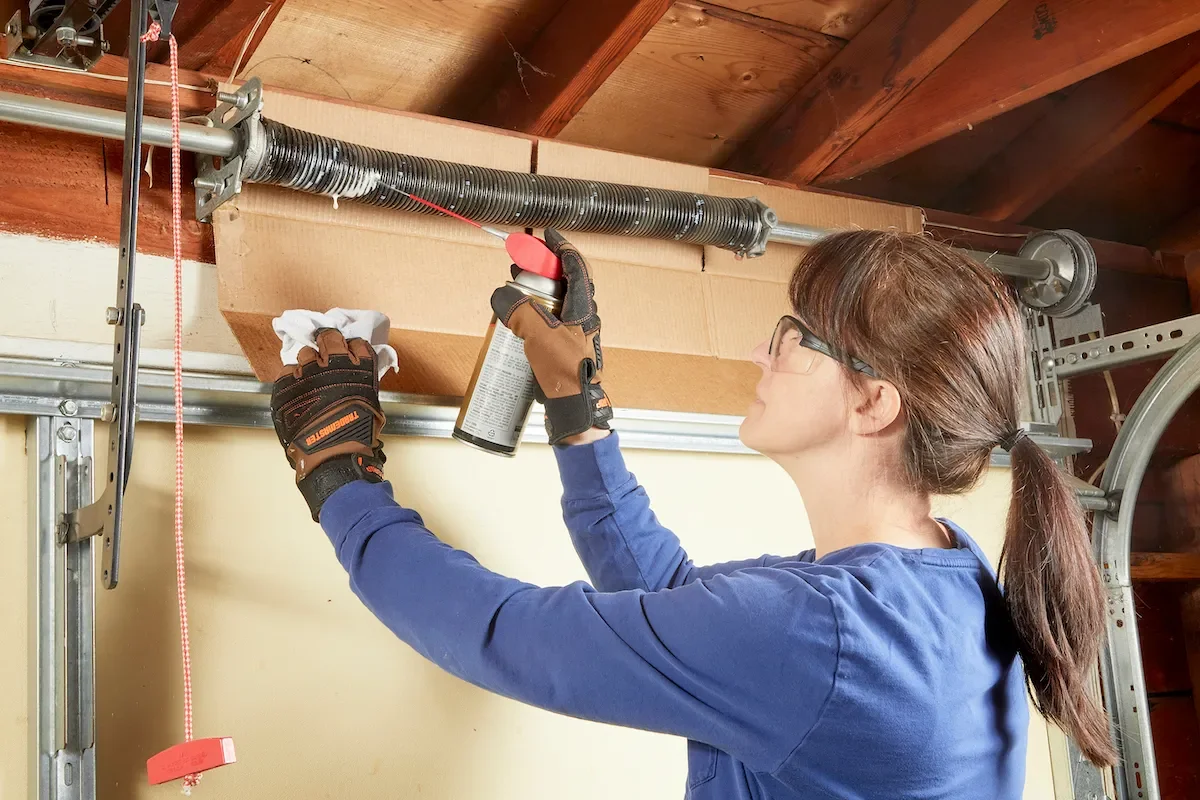
Dry or rusted rollers and hinges
Loose bolts and brackets
Misaligned tracks
Why it matters:
Minor wear issues can quickly escalate into door failure if ignored.
Inspector recommendation:
Routine maintenance—such as lubrication and tightening hardware—can significantly extend the life of the system.
Storage, Fire Safety, and Structural Concerns
Garages often double as storage areas, which can create hidden hazards.
Common inspection observations:
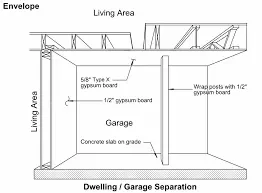
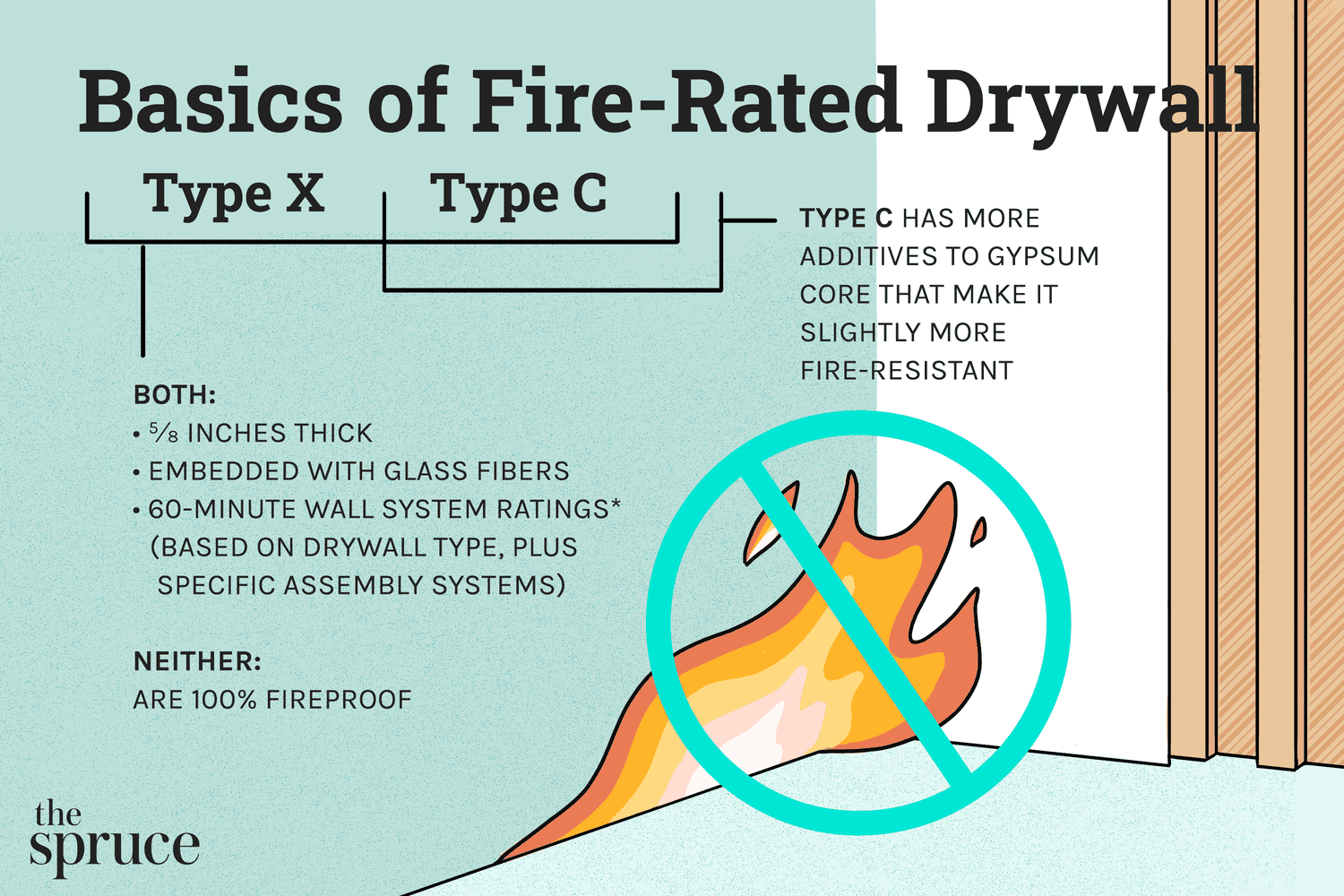
Missing or damaged fire-rated drywall between garage and house
Stored combustibles near ignition sources
Ceiling or wall damage from previous leaks or impacts
Why it matters:
The garage is designed to act as a fire barrier between vehicles, fuels, and the living space. Compromising that barrier increases risk.
Inspector recommendation:
Maintain clearances, repair damaged fire separation, and avoid overloading walls and ceilings.
Why a Professional Inspection Matters
Many garage issues appear minor or go unnoticed during daily use. A professional home inspection looks beyond basic operation to identify safety concerns, hidden defects, and deferred maintenance that could affect the home’s value and livability.
A thorough garage inspection helps:
Prevent injuries
Reduce unexpected repair costs
Improve safety and reliability
Provide clarity before buying or selling a home
If you’re buying, selling, or maintaining a home, don’t underestimate the garage. It’s often one of the most telling spaces when it comes to overall condition.
Upright Inspections evaluates garages as part of a complete, systems-based home inspection—because peace of mind starts with the details most people overlook.
